Stories of Remembrance · Canada · Passchendaele
Following Private Leo Bunnah’s Footsteps with Angela
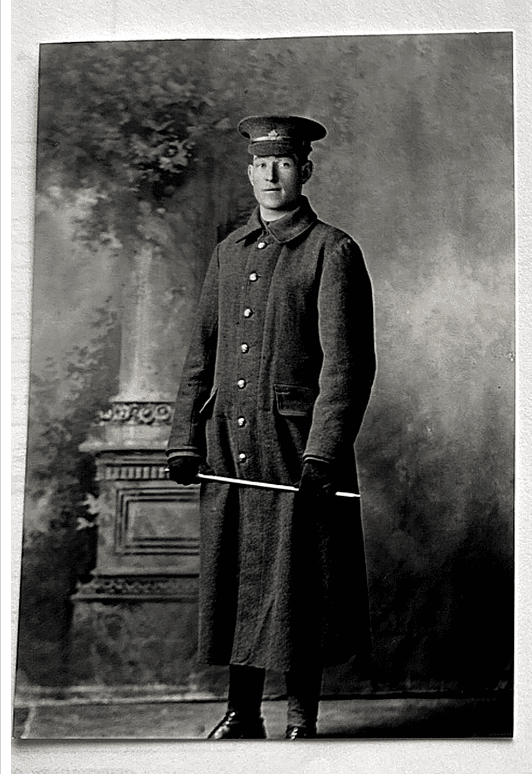
A family journey from Ypres to the ground where the 28th Canadian Battalion fought at Passchendaele.
Angela came to Flanders Fields to follow the story of her great-uncle, Private Leo Alexander Bunnah. He was 23 when he was killed during the Battle of Passchendaele on 6 November 1917. More than a century later, we traced the route his battalion took towards the battlefield and visited the memorial where his name is recorded.
From the railway station to Potijze
Our day began at the railway station in Ypres. The 28th Canadian Battalion arrived in the area by train on 3 November 1917, then moved to Potijze. The station gave us a starting point for the battalion’s final days before the attack. The surviving records do not identify the platform or the exact station building used by the men.
At Potijze, we considered the battalion’s preparations and the movement ahead. The orders show that the men would advance in stages. They first moved towards the Hill 37 area, then continued towards their assembly positions in the front line.
Hill 37 and Abraham Heights
On 5 November, the battalion moved from Potijze towards Hill 37. The orders directed the men to wait there before moving forward. Guides were to meet them at Abraham Heights and lead them to their positions.
Hill 37 was a staging point. The actual assembly positions lay farther forward and were spread across the companies’ sectors. The records let us follow the movement, but they do not place Leo at one exact point along the route.
Reading the ridge and the attack ground
From the Passchendaele ridge, the landscape helps explain the task ahead. The ground that looks open today was broken by shell holes, trenches and mud in 1917. The 28th Battalion’s objective on 6 November lay near the Mosselmarkt Road, northwest of Passchendaele.
The battalion attacked at 6 a.m. Its narrative describes men advancing through waterlogged ground behind a creeping barrage. A message sent later that morning reported that the objectives had been reached and casualties were heavy.
Leo was killed during the attack. His service record confirms the date, but it does not identify his company, his exact position or the precise place where he fell. The orders list the companies’ assignments, but none connects Leo personally to one of them.
Mosselmarkt and the reported burial location
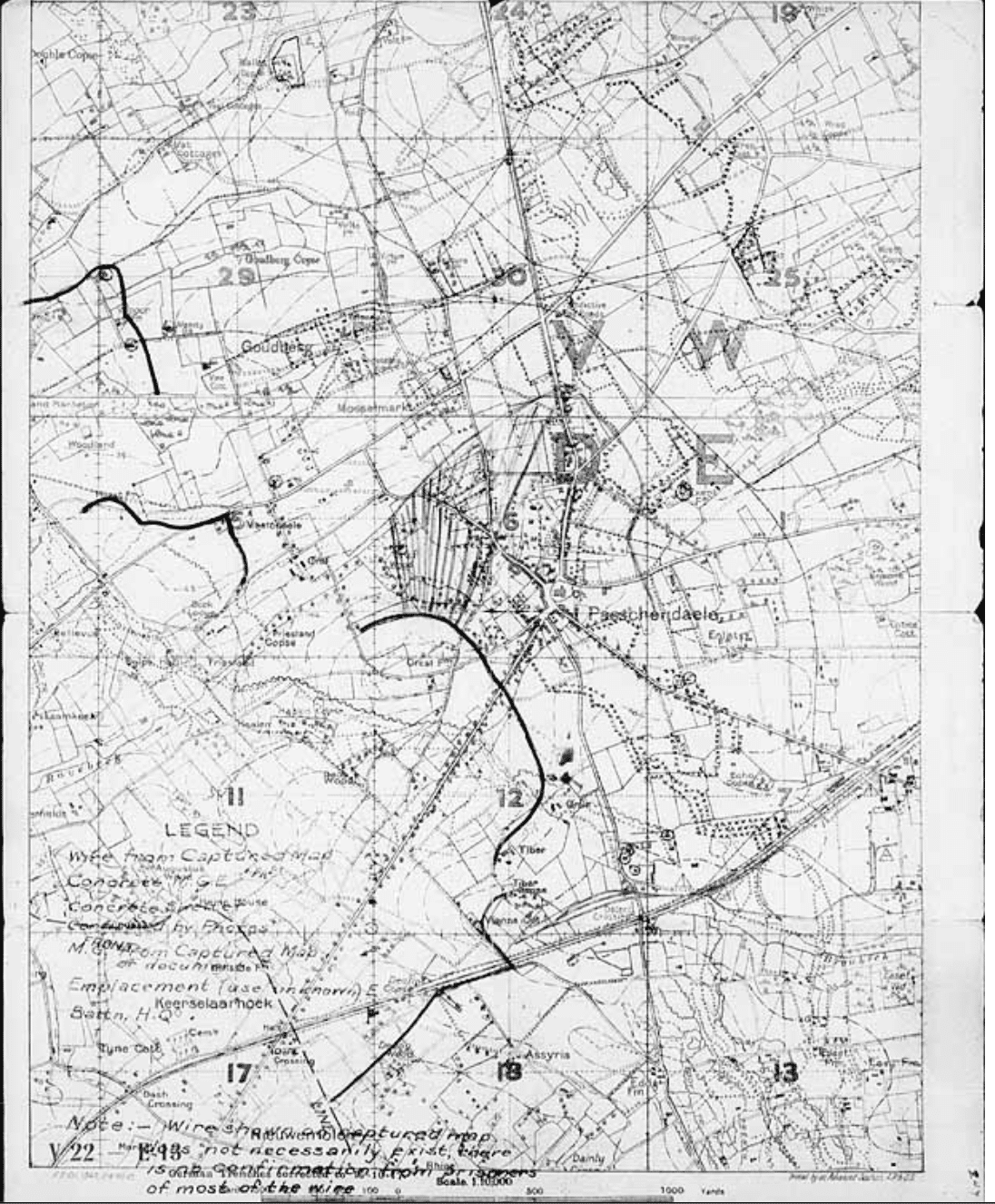
Mosselmarkt brought us close to the area associated with Leo’s final days. His casualty record includes a reported wartime burial reference, Sheet 28, D.6.a.70.10. Converting that reference gives an approximate location south of Mosselmarkt. It is a map conversion of a reported location, not a surveyed or confirmed grave.
No known grave has been identified for Leo. His name is among those commemorated at the Menin Gate in Ypres.
Finding Leo’s name at the Menin Gate
We ended at the Menin Gate, where Angela could see Leo’s name recorded among the missing of the Ypres Salient. The memorial gave the day a clear ending: after following the battalion’s route through the landscape, we stood before the place that preserves Leo’s name.
Leo’s story survives through his service file, the 28th Battalion war diary and orders, his casualty record, family material and his name on the memorial. Each source adds a part of his journey. Together, they allow us to follow his footsteps while respecting the details the records cannot tell us.
Thank you to Angela for bringing Leo’s story back to the places where it unfolded.
Have a name, photograph or family story connected to the First World War? Explore a private remembrance and family-history battlefield tour .