Northern France WW1 Battlefield Tours: Somme, Vimy, Australia, Canada and Newfoundland
↓ Jump straight to planning your private battlefield tour
Visit Flanders Fields offers private First World War battlefield tours across the Somme, Arras, Vimy Ridge and the wider Northern France front. These routes are designed for small private groups and can follow a major campaign, a national story or a specific family member. The principal choices are the general Somme & Northern France tour, the Canadian Trail, the Australian Trail and the Newfoundland Caribou Trail.
Northern France is not one compact battlefield. The Somme, Vimy Ridge, Bullecourt, Villers-Bretonneux, Fromelles and Cambrai cover a large area. This page is therefore designed to help visitors choose the right route rather than suggest that every famous site can be fitted into one day.
- Tour format: Private full-day routes
- Group size: Up to 6 guests
- Main regions: Somme, Arras/Vimy, Amiens, Hindenburg Line and selected Western Front sectors
- Main trails: General Somme, Canadian, Australian and Newfoundland
- Pickup: Bruges or Ypres
- Cancellation: Free up to 7 days before the tour
Which tour should you choose?
The general Somme & Northern France tour is the broadest first choice. It works well for mixed interests, first-time visitors and family groups who want the 1916 Somme explained before deciding whether to go deeper into one national story.
The Canadian, Australian and Newfoundland trails are better when your main interest is already clear.
Somme & Northern France tour
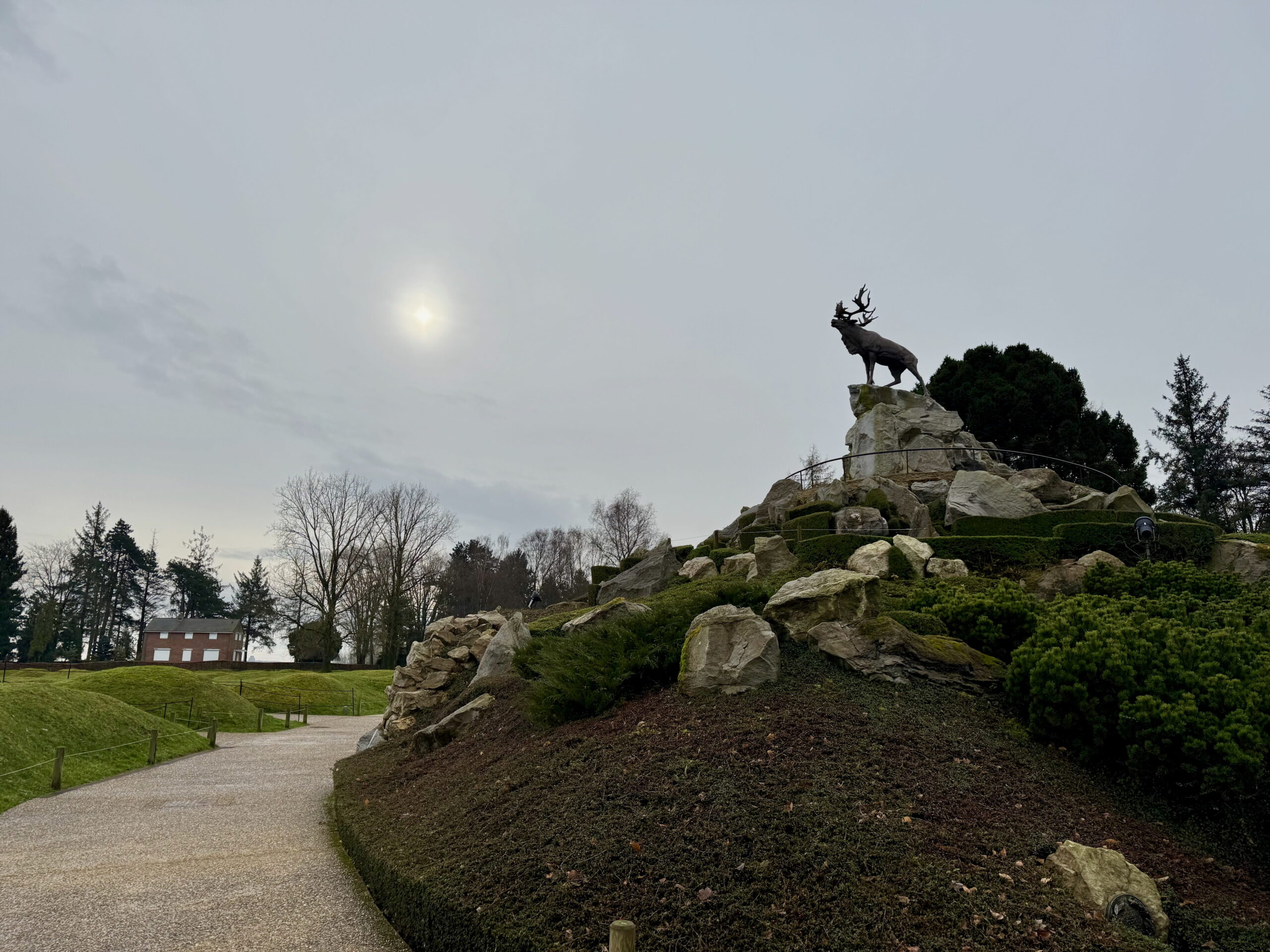
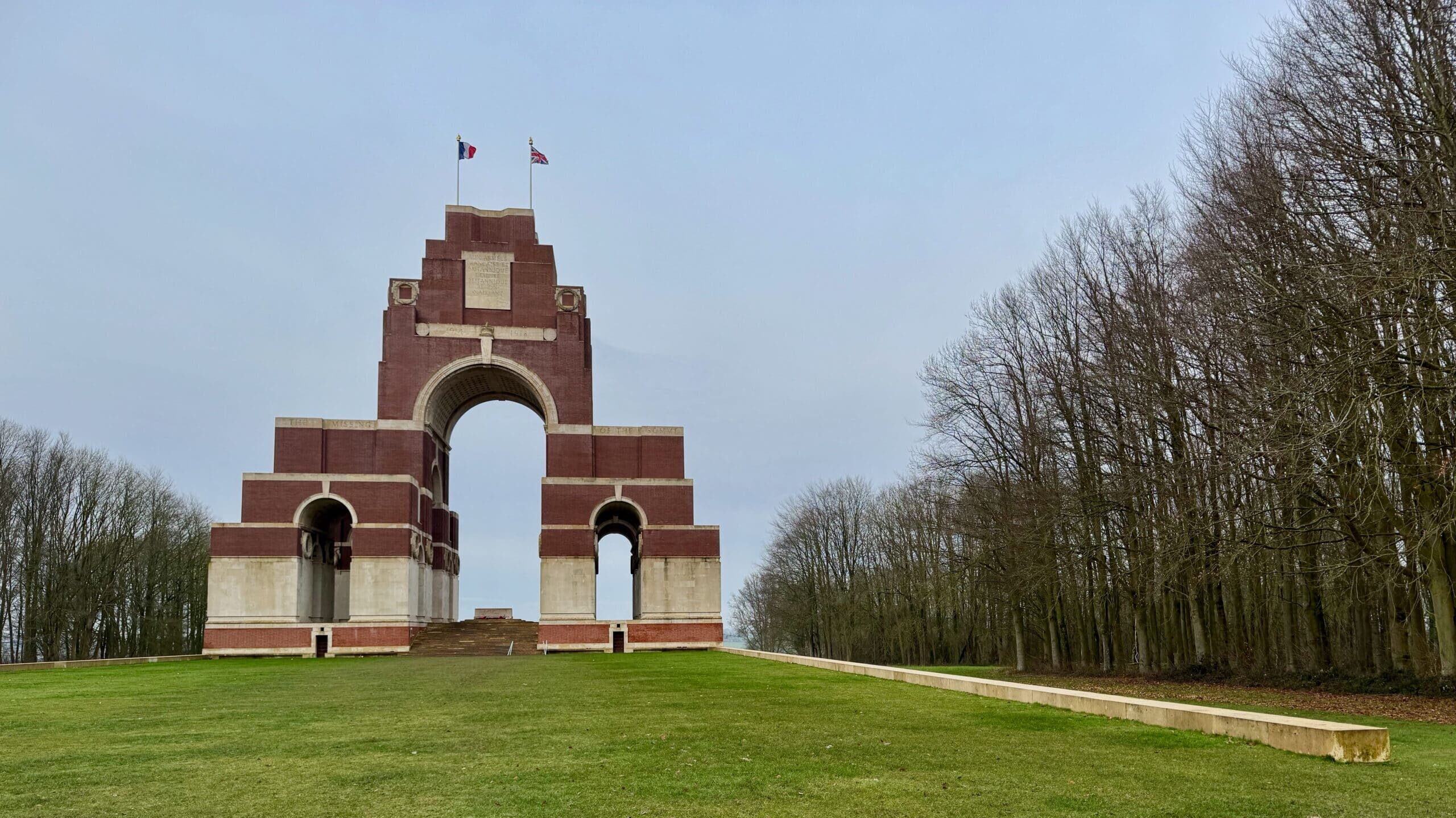
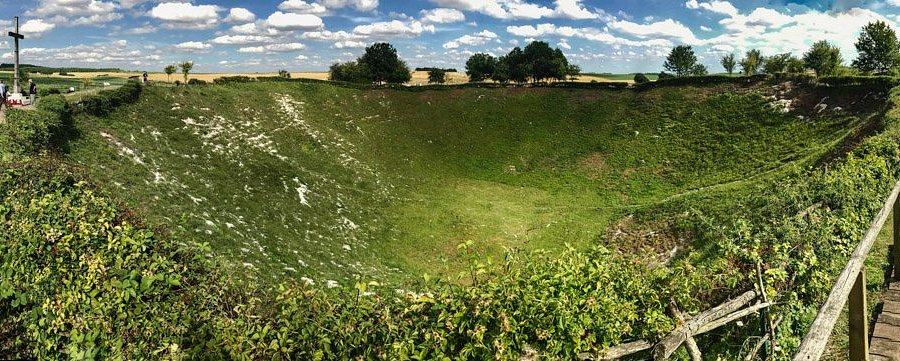
A first-time Somme route can connect Beaumont-Hamel, Thiepval, Lochnagar and Pozières without excessive driving. These sites explain the opening day, Newfoundland, the missing, mining warfare and the Australian experience.
Vimy Ridge or another sector can be added selectively, but each extra region reduces time on the core Somme battlefield.
Canadian Trail
The Canadian route is strongest when Vimy Ridge is connected with Courcelette, Hill 70 or the Canadian battles of 1918.
It can also become a family-history day built around a Canadian Expeditionary Force battalion and memorial site.
Australian Trail
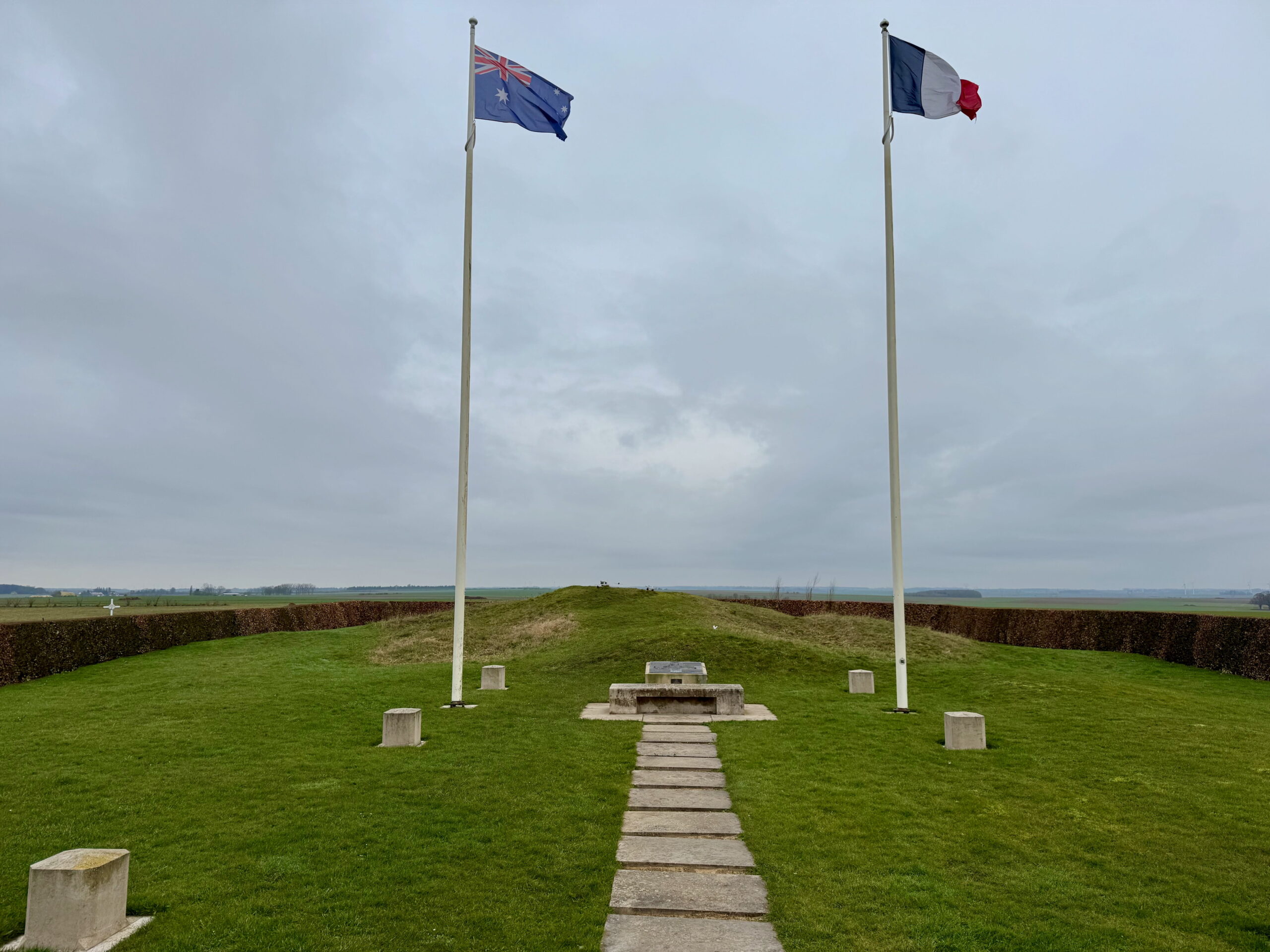
The Australian route can focus on Pozières, Bullecourt, Villers-Bretonneux, Le Hamel or Fromelles. These battlefields span the AIF's Western Front experience from 1916 to 1918.
Because they are widely separated, a carefully selected route is much more useful than trying to visit all of them.
Newfoundland Caribou Trail
The Caribou Trail follows the Royal Newfoundland Regiment through Beaumont-Hamel, Gueudecourt, Monchy-le-Preux, Masnières and Courtrai.
Newfoundland was a separate Dominion during the war, so the trail preserves a distinct national history within modern Canadian remembrance.
The Somme battlefield
The Somme is a broad landscape of ridges, valleys and rebuilt villages. Surface trenches survive only at selected sites, which means terrain and maps are especially important.
Beaumont-Hamel provides preserved ground, Thiepval gives high-ground and missing-soldier context, Lochnagar preserves a mine crater and Pozières explains the Australian struggle for observation.
Arras and Vimy
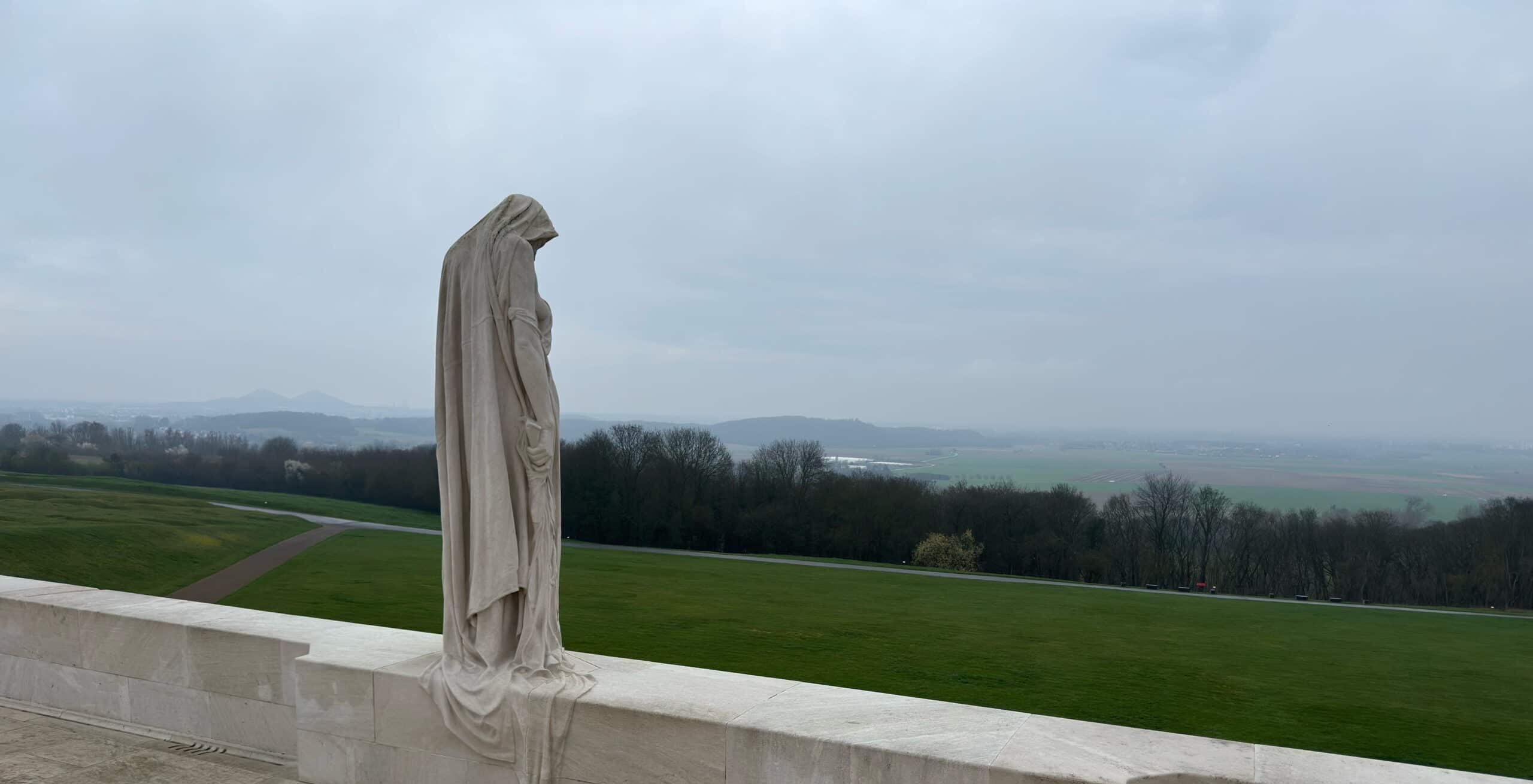
Vimy Ridge belongs to the 1917 Battle of Arras, not the 1916 Somme. The ridge works especially well with Hill 70, Arras, Notre-Dame-de-Lorette and the nearby Canadian memorial network.
A Canadian-focused day can therefore remain geographically tight while still covering several years of history.
Amiens and Villers-Bretonneux
East of Amiens, Villers-Bretonneux and Le Hamel tell the Australian story of 1918. The Australian National Memorial and Sir John Monash Centre make this a major remembrance area in its own right.
The sector is far enough from Vimy and Fromelles that it deserves deliberate route planning.
Bullecourt
Bullecourt lies on the Hindenburg Line and is strongly associated with Australian fighting in April and May 1917. The Digger Memorial and battlefield help explain one of the AIF's most difficult campaigns.
It combines more naturally with Arras or Cambrai than with Villers-Bretonneux.
Fromelles
Fromelles lies near Lille and belongs to the fighting of July 1916 but not to the Somme battlefield itself. The Australian 5th Division suffered 5,533 casualties in less than twenty-four hours.
VC Corner, the Cobbers Memorial and Pheasant Wood Cemetery make the area an important specialist Australian destination.
Cambrai and the Hindenburg Line
Cambrai adds the story of tanks, canal crossings and the evolving German defensive system. Newfoundland at Masnières and Australian fighting at Bullecourt can connect with this wider sector.
It is normally best treated as a customized route rather than one extra stop on a general Somme day.
Family-history tours
A custom route can ignore the standard categories entirely. A person, unit, grave or memorial name can become the centre of the itinerary.
The strongest research connects three things: the serviceman, the unit's operational history and the ground.
Starting from Bruges
Bruges is a convenient base because pickup can begin directly at your accommodation, but the Somme is a long drive south. An early departure keeps the battlefield portion of the day worthwhile.
For several Northern France days, staying in Arras or the Somme region can reduce driving.
Starting from Ypres
Ypres is closer to the French border and works especially well for visitors combining a Flanders Fields day with a Northern France day.
The Last Post can then be attended on a separate evening without forcing the Northern France itinerary to return early.
Why not visit everything in one day?
A battlefield visit is more than arriving at a monument. Orientation, walking, finding a family name and understanding terrain all take time.
A good day should leave you able to explain the campaign. Six well-connected stops usually teach more than twelve rushed ones.
One day versus two days
One full day is enough for a strong Somme overview or a focused national trail. Two days allow a national route and a broader campaign day to be separated.
Three days opens space for specialist sectors such as Cambrai, Fromelles, Bullecourt or the Amiens battlefield without sacrificing the major sites.
Museums and visitor centres
Vimy, Villers-Bretonneux, Albert and other locations offer strong indoor interpretation. These can be valuable, but each museum takes a meaningful part of the day.
Select museums because they add something the battlefield cannot, not simply because they are nearby.
Private format
All of these tours are private for your group. That means the route can spend longer at one memorial, change emphasis for children or history enthusiasts, or incorporate a grave that would never fit a standard coach route.
Private does not mean unstructured. The route still needs a historical and geographic logic.
Cancellation policy
Cancellation is free up to 7 days before the tour. This should be stated consistently on the live commercial tour pages so visitors see the same rule before booking.
Current pricing and availability should continue to come from the live booking system rather than being hard-coded into evergreen history copy.
Guide's perspective
The right Northern France tour is determined by what you want to understand, not by which memorial has the most famous name. Choose the historical thread first. The itinerary can then be built around that story.
Which route is best for a first visit?
For most first-time visitors, the general Somme & Northern France tour is the strongest starting point because it can explain the campaign without assuming one national focus. Beaumont-Hamel, Thiepval, Lochnagar and Pozières create a coherent route with several different historical themes.
Visitors who already know that Canada, Australia or Newfoundland is their priority should normally choose the dedicated national trail instead.
Which route is best for Canada?
Choose the Canadian Trail when Vimy Ridge, Hill 70, Courcelette or the Canadian Hundred Days are the main interests. The route can be adapted around a Canadian service file or family memorial.
Choose the Caribou Trail instead when the family connection is Newfoundland, because the Royal Newfoundland Regiment had a separate wartime identity.
Which route is best for Australia?
The Australian Trail is best for Pozières, Bullecourt, Villers-Bretonneux, Le Hamel and Fromelles. The exact combination depends heavily on the starting point because those sites are widely spread.
If Polygon Wood, Broodseinde or Passchendaele are also priorities, add a separate Australian Flanders Fields day rather than combining both countries into one rushed route.
Which route is best for Newfoundland?
The Caribou Trail is designed around Beaumont-Hamel, Gueudecourt, Monchy-le-Preux, Masnières and Courtrai. A one-day route normally focuses on the memorials most relevant to the guest rather than attempting all five Western Front sites.
This trail is particularly strong for family history because Newfoundland service records can often be matched with a specific phase of the regiment's story.
What if your group has mixed interests?
A general private Northern France route works well when one guest is interested in Canada, another in Australia and the group also wants the Somme. The itinerary can select one representative site from each thread without pretending to cover each national story completely.
Private guiding makes that balance possible because the route is not locked to a published coach timetable.
What if you only have one day?
Pick one core region. For the Somme, stay around Beaumont-Hamel, Thiepval, La Boisselle and Pozières. For Canada, stay around Vimy and Hill 70. For Australia, decide between the Somme/Bullecourt area and the Amiens/Villers-Bretonneux area.
This produces more historical depth and less road time.
What if you have two days?
Two days create much better combinations. A Canadian visitor can spend one day around Vimy and Hill 70 and another on the Somme. An Australian visitor can combine Pozières and Bullecourt on one day with Villers-Bretonneux and Le Hamel on another.
Visitors based in Belgium can also keep one full day for the Ypres Salient and one for Northern France.
Family-history preparation
Send service information before the tour whenever possible. The minimum useful details are a full name, service number, unit and date. A photograph or family letter can add context, but the unit record is what places the person on the battlefield.
If the soldier is buried in a cemetery, the visit can connect the grave with the battalion's operational ground. If he has no known grave, the memorial and unit location can still create a precise route.
Accessibility and walking
Many major memorials have accessible parking and maintained paths, but preserved trenches, crater sites and rural tracks can involve uneven ground. Tell the guide in advance if mobility needs should shape the route.
A private itinerary can usually substitute viewpoints or reduce walking without losing the historical narrative.
Booking, payment and cancellation
Current seasonal pricing and available dates are shown through the live booking process. This avoids publishing outdated fixed prices inside historical content pages.
Cancellation is free up to 7 days before the tour. The same wording should appear consistently across the tour hub, individual trail pages and booking confirmation information.
Why these tours remain private
Battlefield visits often become personal unexpectedly. A guest may recognize a family name, want to spend longer at a cemetery or become especially interested in one tactical story.
A private group of up to six allows the day to respond to those moments while keeping the historical structure intact.
How to decide when several people in the group want different things
A mixed-interest group does not need to choose one nationality exclusively. The best solution is usually to select one anchor battlefield and then add one or two contrasting stories nearby. For example, a Somme day can combine Newfoundland at Beaumont-Hamel, British remembrance at Thiepval and Australia at Pozières without losing geographic logic. That creates variety while keeping the day coherent.
Why private planning matters
A private route can be adjusted to your actual interests rather than forcing your group into a generic sequence. That means more time at the places that matter and less time spent driving between famous names that do not add to your chosen story.
Frequently asked questions
Which Northern France tour is best for a first visit?
The Somme & Northern France tour is the broadest first choice. The Canadian, Australian and Newfoundland trails are better when your interest is already specific.
Can tours start in Bruges?
Yes. Bruges and Ypres are the principal starting points.
Are these private tours?
Yes. Your group does not join other guests.
How many guests can join?
The private vehicle format is designed for up to six guests.
Can I combine the Somme and Vimy?
Yes selectively, but a dedicated day for each region gives more depth.
Can I book around a relative instead of a standard trail?
Yes. A custom route can be built around a person, unit, grave, memorial or battlefield.
What is the cancellation policy?
Cancellation is free up to 7 days before the tour.

Book Your Private Northern France Battlefield Tour
Choose the broad Somme tour or a national trail, then check your date. Free cancellation is available up to 7 days before the tour.
Free cancellation up to 7 days before the tour.
Check AvailabilityWritten by Niels Declercq, private WW1 battlefield guide based in Bruges.