A Great Uncle They Had Never Met
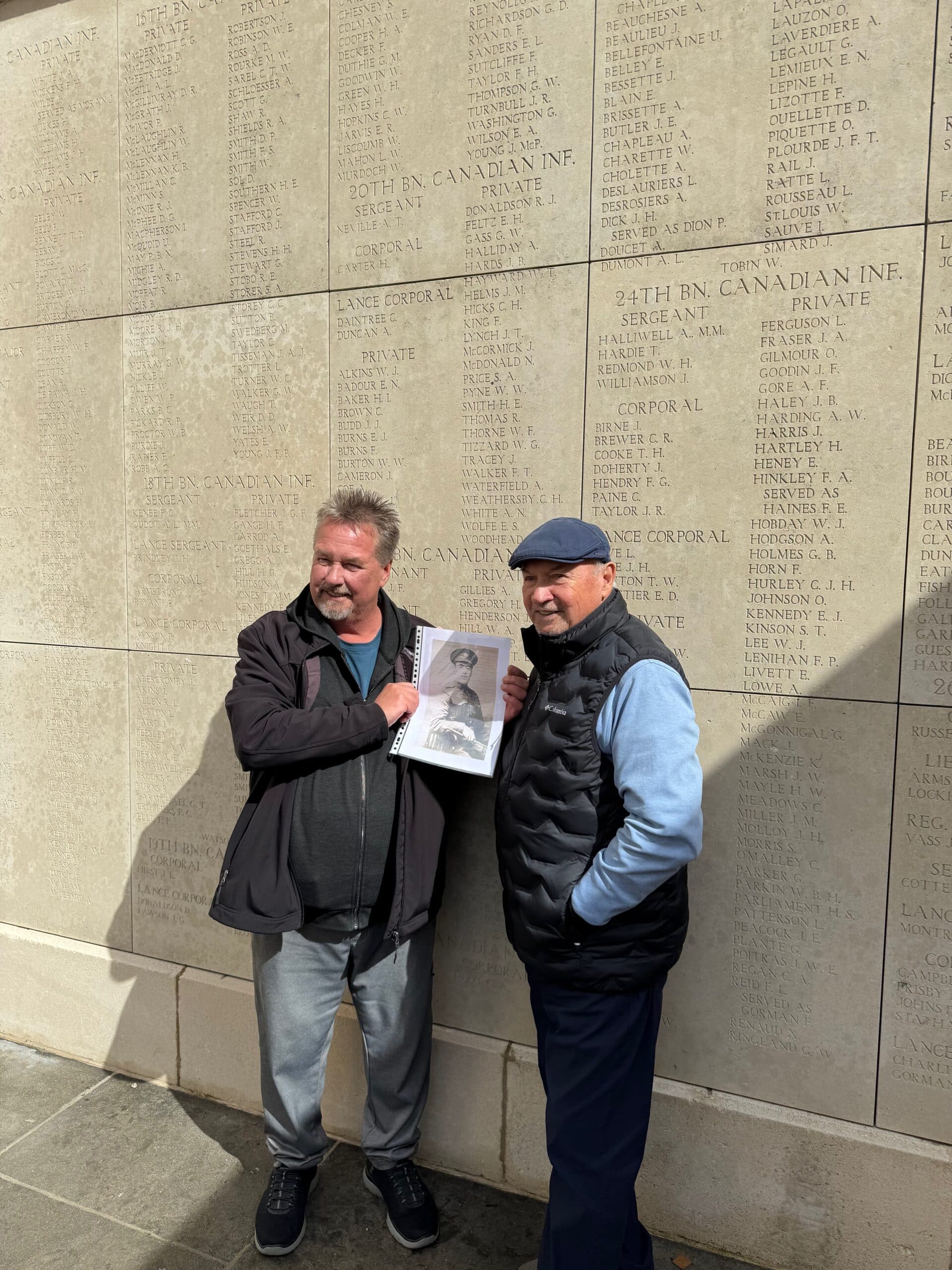
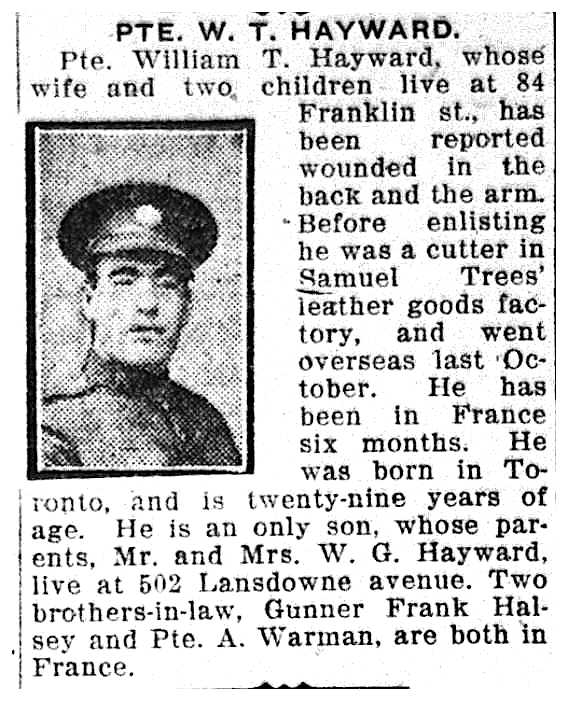
They arrived in Ypres with a name, Private William Thomas Hayward, service number 678334, 20th Battalion, Canadian Infantry. Not much more. A surname, passed down through the family. A quiet reference to a great uncle who had died in the war. No grave. No clear story. Just the knowledge that he was somewhere on a memorial.
Like many families, the connection had faded over time. The war felt distant. The name remained, but the person behind it had become difficult to place.
Before the tour, I started to look deeper.
Using the records of the Passchendaele Archives and the website of Canada scanning War Diaries and Enlistment records, I was able to trace their great uncle. A photograph emerged. A service record. A short account of his time in the army. Enough to begin rebuilding the story of a man who had been reduced to a name.
For the first time, he was no longer just a relative lost in the past. He had a face.
Bringing the Story Back to the Ground
That day, we moved through the Ypres Salient. Trenches, cemeteries, and the landscape where the war had settled into years of fighting. But the focus was always leading toward one place.
The Menin Gate.

This is where more than 54,000 names are carved in stone. Soldiers of the British Empire who have no known grave. Men who disappeared into the mud of the Salient, their bodies never recovered.
Their great uncle was among them.
Before arriving, I showed them what I had found. The photograph. The details of his service. Where he had fought. How his story fit into the wider battle.
It changed something immediately.
He was no longer abstract. He stood among us again, in a way.
Real Stories from the Ground
The stories shared here come directly from time spent on the battlefield with guests. They reflect a wide range of experiences.
Some visitors arrive knowing exactly where their relative is commemorated. Others discover it during the day. Sometimes it is a name on a memorial. Sometimes it is a grave in a quiet cemetery. Sometimes it is simply the realisation of what happened on a piece of ground.
These moments are often quiet. There is no script for them. They happen naturally, shaped by the landscape and by the personal connection each visitor brings.
What unites them is the sense that the past is not distant. It is present in the names, the places, and the stories that continue to be remembered.
Why These Stories Matter
The First World War can be difficult to grasp through numbers alone. Millions served. Millions were lost. But those numbers only gain meaning when they are connected to individual lives.
Stories of remembrance bring that scale back to a human level.
They remind us that the war was fought by individuals. Farmers, workers, students, and volunteers who found themselves on unfamiliar ground far from home.
By sharing these moments, this section aims to preserve not only the history of the war, but also the personal connections that continue to give it meaning today.
Part of Your Own Journey
For many visitors, these stories reflect something they are hoping to experience themselves.
If you are considering a visit to the Western Front and have a personal connection, this can be explored as part of a private tour. Whether you have detailed information or only a starting point, the route can be adapted to include places connected to your family history.
The battlefields of France and Belgium remain places of remembrance. Each visit adds another story to that landscape.
Private Remembrance & Family-History Battlefield Tour
Have a name, photograph, service number or family story? A private battlefield day can be adapted around the places connected with your relative or the history that matters most to you.
Free cancellation up to 7 days before the tour.
Reach out to us for more information. Please contact us at info@visitflandersfields.com or on WhatsApp if you have any questions.
The duration of the tour can fluctuate depending on traffic between destinations.
Check Availability