Battlefield pilgrims: returning to Flanders after 1918
Battlefield tourism in Flanders began soon after the First World War ended.
 Visit Flanders Fields - Battlefield Tours
Private WW1 Battlefield Tours in Flanders Fields and Northern France
Discover The Great War
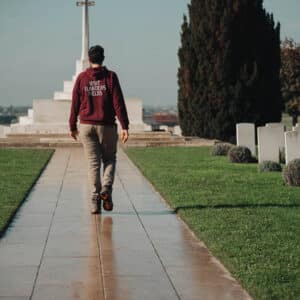
Battlefield tourism in Flanders began soon after the First World War ended.
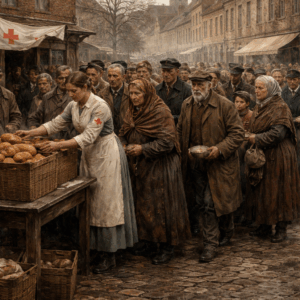
For most Belgian civilians, the First World War was experienced through occupation, shortage, requisition and separation from the front rather than through life in a trench.
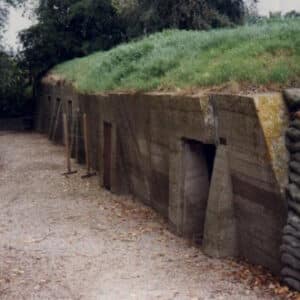
The medical system around Ypres was a chain designed to move a wounded soldier from the firing line toward increasingly advanced treatment as quickly as battlefield conditions allowed.

A winter visit to the Ypres Salient can make drainage, exposure and distance easier to notice.

An established battlefield site can still be unfamiliar to a first-time visitor.

The modern Ypres Salient is a working landscape of farms, roads, villages and woods.
On 22 April 1915, German forces released chlorine against French-held positions north of Ypres.

Commonwealth and German war cemeteries can look very different, even when they commemorate people who died on the same battlefield.

A private battlefield visit begins with your interests rather than a compulsory timetable.

Animals remained essential to First World War armies despite tanks, aircraft, machine guns and motor transport.