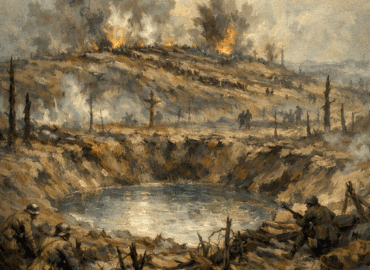
How to experience Flanders’ winter trenches from Bruges Published: 4 February 2026 ## Intro The easiest way to understand what soldiers endured during the winter of 1914‑15 is to travel from Bruges to Ypres on a private WWI battlefield tour with Visit Flanders Fields. This guide explains how you can walk preserved trench lines and hear the stories of those first freezing months on the Western Front, leaving from your hotel in Bruges. ## The first winter of trench warfare After the First Battle of Ypres ended in November 1914, both the British and German armies dug into the sodden fields of Flanders. The British government later called the period from 23 November 1914 to 6 February 1915 the “winter operations 1914‑15”, a time when exhausted armies lacked ammunition and offensive capacity. Their hastily dug trenches were quickly destroyed by artillery and rain. Mud filled the trenches to soldiers’ knees, uniforms never dried, frostbite claimed toes and fingers and rats thrived. Private John Lucy of the Royal Irish Rifles recalled building a fire-step near Ploegsteert by using frozen corpses because there were no sandbags. Sergeant Fritz Essenwein wrote home that rats were “as big as cats and more fearless,” crawling over sleeping men. Rum rations and songs offered some relief, but diaries from late November describe the constant damp and despair. The harsh conditions caused diseases. The Western Front Association notes that trenches stretched almost 500 miles from the North Sea to Switzerland, exposing millions of men to climates ranging from balmy to ferociously cold. Northern France and Flanders were particularly wet and inhospitable. Troops stood in flooded trenches for days, leading to trench foot; over 20,000 British cases were recorded in the winter of 1914/15. ## Personal stories and ingenuity Despite the misery, soldiers found ways to cope. They carved chess pieces from spent bullets, fashioned makeshift stoves from biscuit tins and shared cigarettes with prisoners across the wire. At night, star shells lit a lunar landscape of shell holes filled with water, and sentries listened for enemy digging parties. These small acts of humanity and creativity helped men endure the cold. ## Sites to visit on your tour Today, you can experience vestiges of that first winter by visiting several preserved sites around Ypres. ### Sanctuary Wood and Hill 62 At Sanctuary Wood Museum near Zillebeke, the Schier family has preserved a section of British trench line, with zig‑zag walkways lined with corrugated iron and duckboards. The site gives visitors an authentic impression of the mud and cramped conditions. ### Bayernwald trench system North of Wijtschate, the reconstructed Bayernwald site shows how the German army dug deep dugouts into the blue clay to escape shellfire. Its elevated position highlights the importance of choosing higher ground for better drainage. ### In Flanders Fields Museum The In Flanders Fields Museum in Ypres uses multimedia to explain trench life and displays artefacts recovered from winter operations. Visiting in late autumn or winter allows you to feel the chill and damp that soldiers endured. ## Practical information This private winter trenches tour lasts around 6 ½ hours. We collect guests from their accommodation in Bruges at 08:30 and travel to Ypres, Sanctuary Wood, Bayernwald and the In Flanders Fields Museum. The tour is fully private and paced for your group, with options for lunch in Ypres. Dress warmly, bring waterproof footwear and be prepared for muddy ground. The tour operates year‑round but is most evocative in winter. Families with children are welcome; accessibility is moderate due to uneven terrain. ## After your visit Standing quietly along a rain‑filled trench line, listening to the wind through bare trees, brings a new appreciation of the endurance and sacrifice of the men who fought here. Visiting these sites with Visit Flanders Fields ensures you have expert guidance and transport arranged from Bruges. Ready to experience the haunting beauty of Flanders’ winter trenches? Head to visitflandersfields.com to plan your private tour today.