How to visit the Kemmelberg and Spring Offensive sites of 1918 from Bruges
Published: 18 April 2026
Intro
The villages south of Ypres hide the scars of Operation Georgette, Germany’s 1918 spring offensive. High ground like the Kemmelberg became the focus of ferocious fighting as the Germans sought to break the Allies’ line and capture the ports. Private tours from Bruges can take you to these hills and villages, where French reserves and Commonwealth troops fought desperate battles in April 1918. This guide explains what happened and how to experience these battlefields today.
Operation Georgette and the fight for the hills
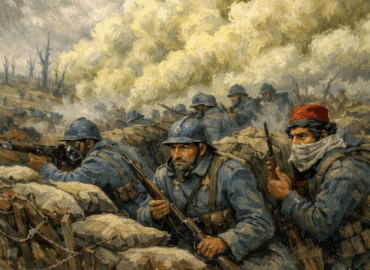
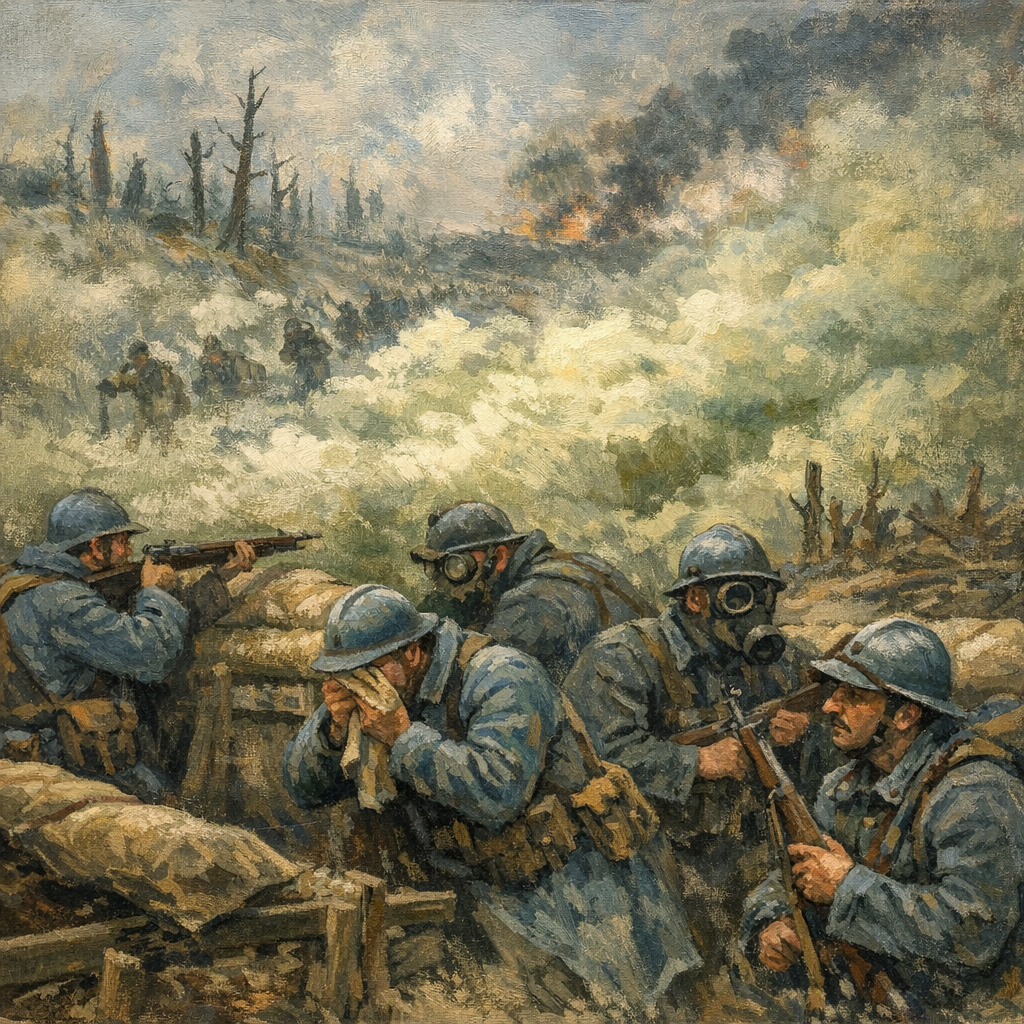
In April 1918, the Germans launched their second major offensive of the year, striking along the River Lys. Their aim was to seize Hazebrouck and force the Allies out of the Ypres Salient. The offensive culminated in two battles at Kemmel. British troops repulsed a German assault between 17–19 April before being relieved by French reserves. When the Germans attacked again on 25–26 April, they overwhelmed the French defenders and captured the Kemmelberg. On 29 April they also captured the nearby Scherpenberg. Despite these gains, Operation Georgette failed to achieve its objectives and petered out by the end of the month. The cost was enormous: around 80,000 British and Commonwealth, 85,000 German and 30,000 French casualties.
Exploring Kemmel and the Lys battlefield
The Kemmelberg is a modest hill near the village of Kemmel. Today it is topped by a cross and an ossuary containing the bones of nearly 5,000 soldiers of many nations. From its summit you can see the rolling farmland of Flanders and appreciate why both sides coveted this high ground. Nearby lies the Lettenberg bunkers, a network of concrete shelters carved into the hillside to protect Allied artillery observers. The village of Loker still bears scars from shelling, and the Kemmel American Monument commemorates U.S. troops who fought here later in 1918.
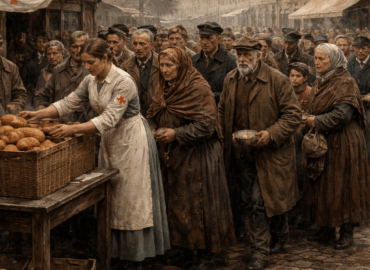
Your guide will explain how French reserves rushed to the Kemmel sector, how Portuguese troops on the Lys were overrun, and how the German advance was ultimately halted by Allied resistance. Personal stories—such as nurses treating wounded at an improvised aid post in Loker or a French sergeant writing to his wife before the second assault—bring the landscape to life.
Practical information
This day tour starts in Bruges and lasts around nine hours. After driving south past Poperinge, you will climb the Kemmelberg and visit the ossuary. You will stop at Loker for lunch and explore the Lettenberg bunkers. Comfortable walking shoes are essential; some paths are steep. The tour is private and can be adapted to include the nearby Ploegsteert Memorial or the Portuguese memorial at Neuve‑Chapelle. Transfers and accessibility accommodations are available.
Remembering 1918
Standing on the Kemmelberg you can almost hear the roar of artillery from April 1918. The Spring Offensive was Germany’s last throw of the dice, and the struggle for these hills cost tens of thousands of lives. By visiting with a knowledgeable guide, you honour those who fought and ensure their stories are not forgotten. When you are ready to walk these battlefields, book a private Kemmel and Lys tour and continue your journey through Flanders Fields.
FAQs
What happened at Kemmel in 1918? In April 1918 the Germans launched Operation Georgette. After a failed attack on 17–19 April, they captured the Kemmelberg on 25–26 April and briefly held the surrounding heights.
Is the Kemmelberg accessible today? Yes. The hill is a public park with a summit ossuary and walking trails. It is easily reached from Bruges by road and is included on private battlefield tours.