The Role of Animals in WWI and What Remains Today
Donkeys, carrier pigeons, and horses were vital to WWI armies. Learn about the animals who served, their memorials in Belgium, […]
 Visit Flanders Fields - Battlefield Tours
Private WW1 Battlefield Tours in Flanders Fields and Northern France
Discover The Great War

Donkeys, carrier pigeons, and horses were vital to WWI armies. Learn about the animals who served, their memorials in Belgium, […]

As the war draws to a close and the year nears its end, surviving soldiers in Flanders pause to remember those who didn’t make it home. This year‑end reflection explores how men marked New Year’s Eve in the trenches, how the Armistice changed daily life and suggests winter visits to Ypres, Tyne Cot, Messines and the Yser Tower to contemplate sacrifice and peace.
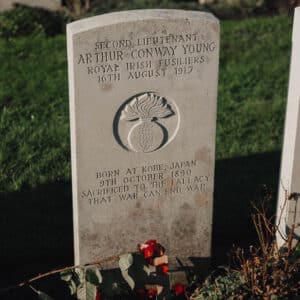
What really happened during the famous Christmas Truce of 1914? We revisit the documented events, visit key sites, and reflect […]
The Allied evacuation of Gallipoli on 19 December 1915 was a rare success in a failed campaign. This post follows the ANZAC, British and Irish troops who slipped away under cover of darkness, traces their return to Flanders with units like the 29th Division and Royal Newfoundland Regiment and invites visitors to connect Gallipoli beaches to Ypres memorials and stories of Captain Leslie Morshead.

On 14 December 1914, a British soldier wrote home from a trench near Ploegsteert Wood describing the mud, cold and rumours of a Christmas truce. His letter captures the human side of the war and links to preserved trenches and memorials visitors can explore in Flanders today.

The First World War inspired some of the most haunting poetry ever written. Discover how poets like Owen and Sassoon […]
On 9 December 1917, Ottoman forces abandoned Jerusalem and British General Edmund Allenby entered the city on foot, lifting Allied morale. This post highlights the fall of Jerusalem and connects the Middle Eastern front to soldiers from Flanders, illustrating the global nature of World War I.
The German counterattack at Cambrai on 30 November 1917 overwhelmed British positions using infiltration tactics and returned the lines close to where they had started. This post looks at the aftermath and invites readers to visit Flesquières Hill, the Cambrai Tank 1917 Museum and local cemeteries to understand the battle’s legacy.