Published: 18 March 2026
Intro
If you’re staying in Bruges and want to walk in the footsteps of the first visitors who returned to Flanders after the guns fell silent, a private WWI battlefield tour with Visit Flanders Fields is your ideal starting point. This guide explores how veterans and bereaved families made pilgrimages to the Ypres Salient in the 1920s, and how you can experience the same routes today.
The birth of battlefield pilgrimage
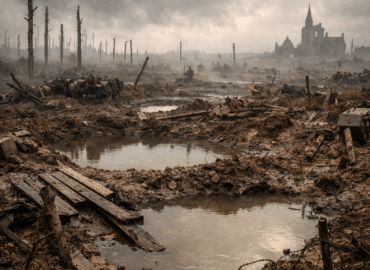
After the armistice, the city of Ypres was a shell; yet by 1927 Sir Reginald Blomfeld’s Menin Gate memorial was complete. The immense arch, opened on 24 July 1927, soon became a place of pilgrimage. The gate spans the main road along which thousands of soldiers marched to the front, and it lists 54 896 missing soldiers. Every evening since 1928 (except during the Second World War) traffic stops and buglers sound the Last Post – a ritual early visitors found deeply moving. In August 1928 the British Legion organised a three‑day pilgrimage for 11 000 veterans and war widows that culminated in a service at the Menin Gate. Guidebooks issued by the Legion advised travellers on clothing, currency and customs. For many, these journeys were the first chance to visit a loved one’s grave or to see the Ypres Salient in peacetime.
Sites that shaped remembrance
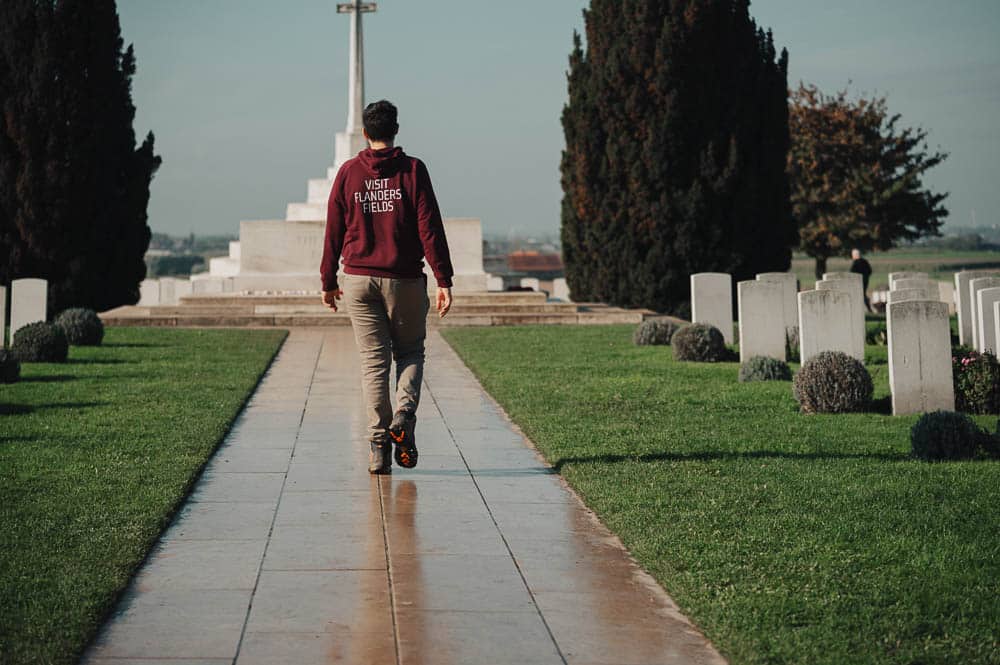
Your tour retraces the early pilgrims’ path. Begin in Ypres at the Menin Gate, arriving at 8 p.m. to witness the Last Post. From there, walk to the rebuilt Cloth Hall, whose medieval splendour contrasts with wartime photographs. A short drive east brings you to Tyne Cot Cemetery, where visitors in the 1920s marvelled at its scale and the stone wall inscribed with almost 35 000 names. Continue to St Charles de Potyze French National Cemetery, one of the few French burial grounds in the Salient, where rows of white crosses evoke the sacrifices of North African and metropolitan French soldiers. In Poperinge, the peaceful town square hides Talbot House, where chaplains welcomed soldiers regardless of rank; early pilgrims stopped here for tea and reflection. Many families also visited the German Military Cemetery at Langemark, seeking closure and recognising shared loss.
Remembering then and now
On tour, your guide will share stories of post‑war visitors. Imagine a widow placing a photograph at her husband’s name on the Menin Gate, or veterans reading aloud the names of fallen comrades. Early travellers often remarked on the smell of freshly turned soil as farmers resumed work among shattered trees. Today, you’ll stand on the same ground but see manicured cemeteries, restored villages and interpretive museums. The experience invites reflection on how remembrance has evolved – from personal grief to collective memory. Visiting these sites with a knowledgeable guide helps connect the early pilgrimages to today’s commemorations, ensuring that the stories remain alive.
Practical information
This full‑day tour departs from Bruges and lasts around 8 hours. You’ll travel by comfortable vehicle with a specialist guide and have ample time at each cemetery and memorial. The terrain is mostly flat, though comfortable shoes are recommended for walking paths at Tyne Cot and Potyze. Dress warmly in spring as evenings at the Last Post can be cool. The tour is private and can be tailored to focus on particular cemeteries or to include a lunch stop in Ypres. Accessibility accommodations are available with advance notice.
Plan your pilgrimage
Walking in the footsteps of early battlefield pilgrims offers a powerful perspective on remembrance. Secure your place on a personalised tour via Visit Flanders Fields. To continue your journey, explore our other Flanders battlefield day tours and browse our previous blog posts on winter trenches and medical stations.